
Behavioral Service Design
Bridging design and psychology to create services that work with human nature — not against it. Applying behavioral science to enhance both customer and employee experiences across industries including finance and retail.
Why Behavioral Science Matters in Service Design
Services are experienced by people — and people don't always act rationally. Behavioral service design brings insights from behavioral economics, consumer behavior, and evolutionary psychology into the design process. The result: experiences that feel intuitive, reduce friction, and align with how people actually think and decide.
Nick Naumof has applied this approach across financial product design, fast-moving consumer goods, health and wellness, and human resources — delivering training and consulting on four continents.
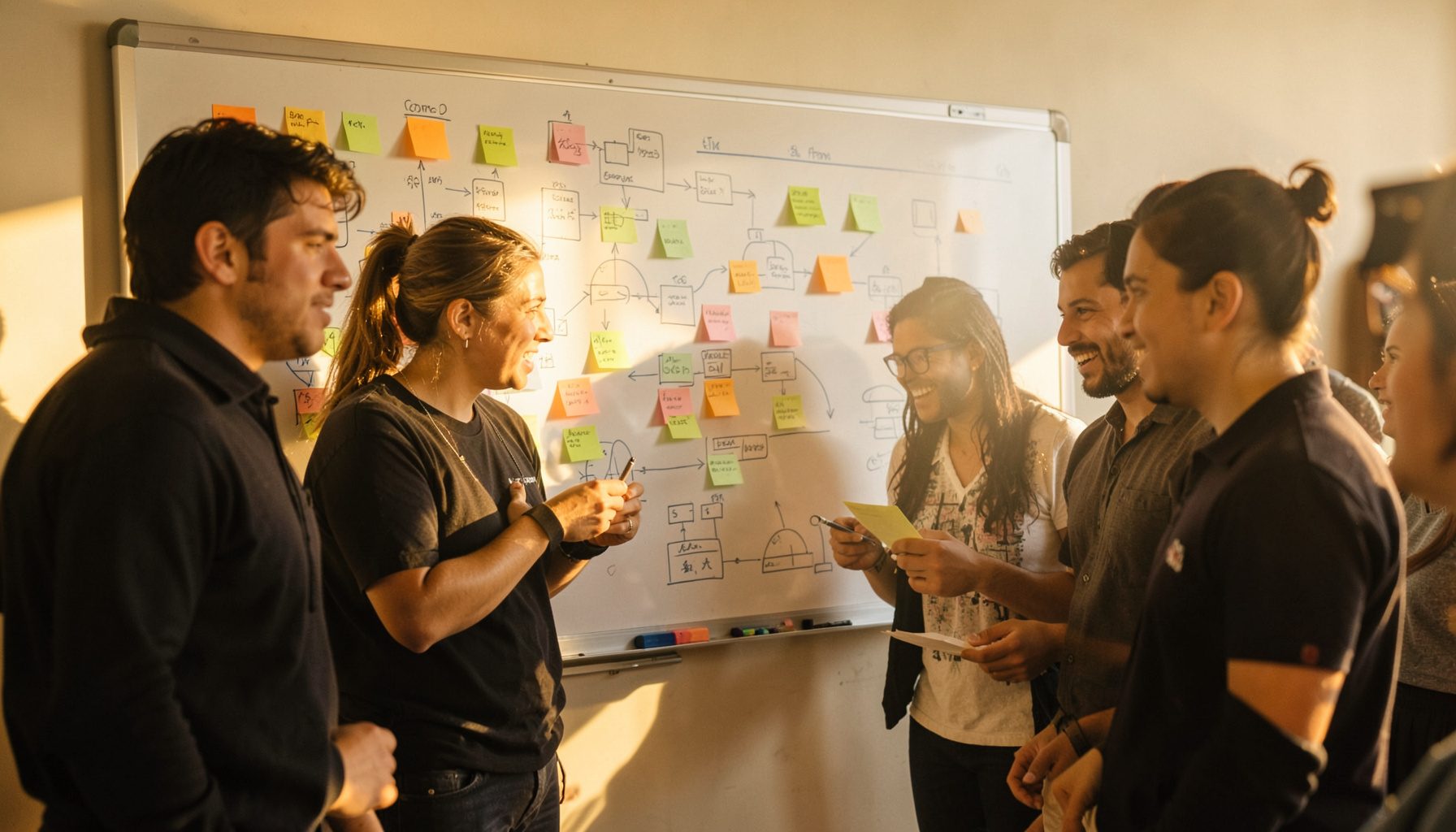
Services are fundamentally human interactions, yet many are designed without considering how people actually think, feel, and decide. Behavioral service design bridges this gap by applying insights from behavioral economics, consumer psychology, and evolutionary science to create experiences that feel natural and intuitive. When designers understand cognitive biases, emotional triggers, and the contexts that shape decision-making, they can reduce friction points and align service flows with genuine human behavior. This approach benefits both customers and employees, making interactions smoother and more satisfying. The result is not just better experiences but also more profitable services that work with human nature rather than struggling against it.
Organizations across industries such as finance, retail, health, and wellness are discovering that behavioral science offers practical tools for service improvement. Small changes in choice architecture, information presentation, or feedback timing can dramatically shift how people engage with a service. For instance, understanding how context influences decisions helps designers create environments that guide users toward beneficial actions without restricting freedom. Employee experiences also improve when services are designed with behavioral principles in mind, reducing frustration and increasing engagement. These evidence-based interventions are grounded in rigorous research yet remain flexible enough to adapt across different sectors, cultures, and organizational contexts.
The field of behavioral service design continues to evolve as researchers and practitioners learn more about the complexities of human decision-making. What began as academic insights from psychology and economics has become a practical discipline applied in workshops, training programs, and large-scale projects across continents. Companies that invest in understanding the behavioral dimensions of their services gain a competitive advantage through deeper customer loyalty and operational efficiency. The approach is neither manipulative nor paternalistic when applied ethically; instead, it empowers people by making better choices easier. As service design matures, integrating behavioral science is becoming less optional and more essential for creating meaningful, lasting experiences.
Areas of Focus
Customer Experience Design
Applying principles like the peak-end rule and loss aversion to shape memorable, satisfying customer journeys. From payment experiences to post-interaction touchpoints, every moment matters.
Employee Engagement
Understanding emotional drivers in the workplace to design environments and policies that boost satisfaction, retention, and performance. Explore Emotions at Work →
Choice Architecture
Structuring decision environments so customers and employees make better choices — freely and without coercion. A core skill taught in the Designing Decisions masterclass.
Financial Service Design
Designing financial products that account for the psychology of money. Relevant for banking, insurance, and fintech organizations. Covered in depth in the Thinking Money masterclass.
Interested in working together?
Nick delivers tailored workshops, training programs, and consulting engagements for organizations ready to design services that truly fit human nature.